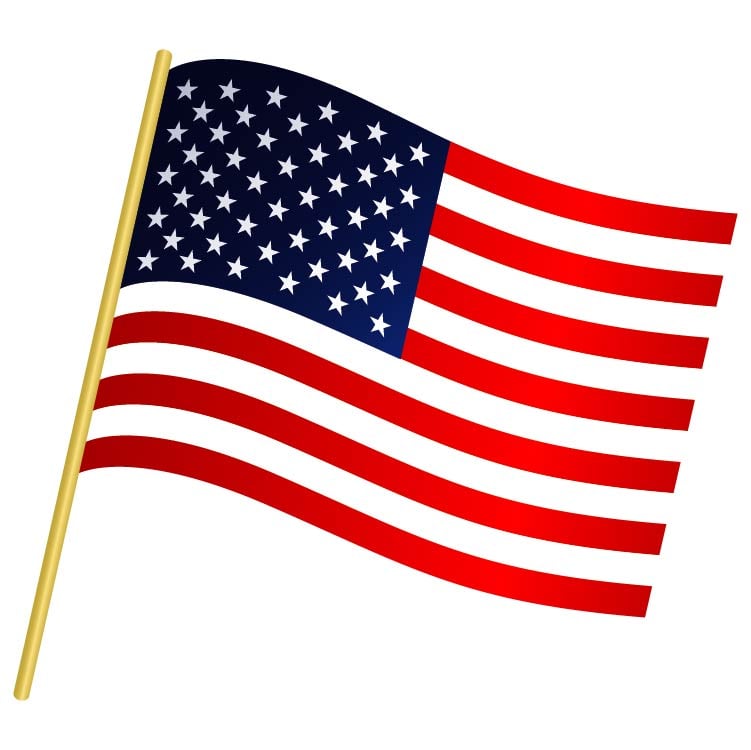
The American Flag:
Ancient Inspirations, Historical Evolution, Symbolism, Cultural Meaning, Good and Bad Aspects, and Modern Significance (United states of america or USA flag wave in pole)
The image of the American flag, officially known as the Stars and Stripes, Old Glory, or The Star-Spangled Banner, is one of the most recognized national symbols in the world. It represents not only the political identity of the United States but also centuries of evolving ideas about freedom, unity, power, sacrifice, and national values. Though the modern flag itself is relatively young compared to ancient civilizations, its symbols—stars, stripes, colors, and banners—draw inspiration from ancient human traditions of symbolism and collective identity.
1 millions United states of america rocket fireworks Design Review
Shutterstock Profile (Cambridge Design Vector)
1. Ancient Roots of Flags and Symbols
1.1 Early Human Banners and Standards (United states of america or USA flag wave in pole)
Long before the United States existed, ancient civilizations used flags, standards, and banners to:
-
Identify groups
-
Unite people under a common cause
-
Represent authority or divine protection
Ancient examples include:
-
Egyptian standards with animal symbols
-
Roman vexilla, military banners carried into battle
-
Chinese dragon banners, symbolizing imperial power
-
Greek city-state emblems, representing civic pride
The American flag follows this ancient tradition of visual identity and unity.
1.2 Stars in Ancient Cultures (United states of america or USA flag wave in pole)
Stars have been sacred symbols across civilizations:
-
Mesopotamia: Stars represented gods
-
Ancient Egypt: Stars symbolized eternity and the afterlife
-
Greek mythology: Stars were linked to heroes placed in the sky
-
Native American cultures: Stars guided navigation and spiritual stories
Thus, the stars on the American flag reflect a long human belief in guidance, destiny, and higher ideals.
1.3 Stripes and Repetition in Ancient Design (United states of america or USA flag wave in pole)
Repeated patterns like stripes appear in:
-
Ancient textiles
-
Military uniforms
-
Tribal markings
They symbolized:
-
Unity
-
Equality
-
Collective strength
The stripes on the flag echo this ancient idea of many individuals forming one body.
2. Birth of the American Flag
2.1 The Flag Resolution of 1777 (United states of america or USA flag wave in pole)
On June 14, 1777, the Continental Congress passed the First Flag Resolution, stating:
“Resolved, That the flag of the thirteen United States be thirteen stripes, alternate red and white; that the union be thirteen stars, white in a blue field, representing a new constellation.”
This marked the official birth of the American flag.
2.2 Meaning of the “New Constellation” (United states of america or USA flag wave in pole)
The phrase “new constellation” reflected:
-
Hope
-
A new nation among world powers
-
Unity among states
This poetic idea connects the flag to ancient astronomy and symbolism.
3. Evolution of the Flag Over Time
3.1 Growth with the Nation (United states of america or USA flag wave in pole)
As the U.S. expanded:
-
Stars were added for each new state
-
Stripes remained at 13 to honor the original colonies
The current 50-star flag has been in use since July 4, 1960, after Hawaii became the 50th state.
3.2 The Longest-Used Version (United states of america or USA flag wave in pole)
The 50-star design is the longest-serving version of the flag, symbolizing:
-
Stability
-
Enduring unity
-
Continuity in a changing world
4. Symbolism of the Flag (United states of america or USA flag wave in pole)
4.1 Stars
-
Represent individual states
-
Symbolize equality—each star is the same size
-
Reflect unity within diversity
4.2 Stripes (United states of america or USA flag wave in pole)
-
Represent the 13 original colonies
-
Serve as a reminder of revolutionary sacrifice
-
Connect past struggles to present freedom
4.3 Colors (United states of america or USA flag wave in pole)
Though not officially defined in the Flag Resolution, traditional meanings include:
-
Red: Hardiness, valor, sacrifice
-
White: Purity, innocence, ideals
-
Blue: Vigilance, perseverance, justice
These meanings align with ancient color symbolism across cultures.
5. Cultural Importance of the American Flag (United states of america or USA flag wave in pole)
The flag appears in:
-
Government buildings
-
Schools
-
Military ceremonies
-
Sporting events
-
National holidays
It functions as a shared visual language for national identity.
6. The Flag in War and Sacrifice (United states of america or USA flag wave in pole)
The American flag has been carried through:
-
Revolutionary War
-
Civil War
-
World Wars
-
Modern conflicts
For soldiers, it represents:
-
Home
-
Duty
-
Honor
-
Sacrifice
7. The Flag in Civil Rights and Protest (United states of america or USA flag wave in pole)
Ironically, the same flag has also been used:
-
In civil rights movements
-
During protests against injustice
-
As a symbol of demanded equality
This dual use highlights the flag as a living symbol, not a static one.
8. Psychological Impact of the Flag
The flag evokes:
-
Pride
-
Belonging
-
Emotional unity
It can also evoke:
-
Pain
-
Anger
-
Debate
depending on personal experiences.
9. Educational Role of the Flag (United states of america or USA flag wave in pole)
Children learn:
-
National history
-
Civic responsibility
-
Shared values
The flag acts as a teaching tool for citizenship.
10. Good Aspects of the American Flag
10.1 National Unity (United states of america or USA flag wave in pole)
The flag unites people across:
-
Languages
-
Religions
-
Backgrounds
10.2 Symbol of Freedom (United states of america or USA flag wave in pole)
Globally, the flag often represents:
-
Democracy
-
Free expression
-
Opportunity
10.3 Inspiration and Hope (United states of america or USA flag wave in pole)
For immigrants, the flag symbolizes:
-
New beginnings
-
Possibility
-
Safety
11. The Flag and Immigrant Identity (United states of america or USA flag wave in pole)
Millions arrived in America seeing the flag as:
-
A promise
-
A symbol of refuge
-
A sign of acceptance
This aligns with ancient traditions of banners representing protection.
12. The Flag in Art and Media (United states of america or USA flag wave in pole)
The American flag appears in:
-
Paintings
-
Films
-
Music
-
Fashion
Artists use it to explore patriotism, criticism, and identity.
13. Negative and Controversial Aspects
Despite its importance, the flag is not free from controversy.
13.1 Political Division
The flag is sometimes:
-
Used to divide
-
Associated with specific ideologies
This can alienate some groups.
13.2 Historical Injustice
For some communities, the flag is associated with:
-
Slavery
-
Discrimination
-
Broken promises
This reflects unresolved historical trauma.
13.3 Over-Commercialization
Excessive use in:
-
Advertising
-
Merchandise
can reduce its sacred meaning.
14. Flag Desecration Debate
Burning or altering the flag raises questions about:
-
Free speech
-
Respect
-
National values
The debate itself reflects democratic principles.
15. Flag Etiquette and Respect
The U.S. Flag Code outlines:
-
Proper display
-
Handling
-
Disposal
These rules emphasize respect and tradition.
16. The Flag in Modern Global Context
In international relations, the flag represents:
-
Sovereignty
-
Authority
-
Diplomatic presence
17. Comparison with Other National Flags
Unlike many flags:
-
The U.S. flag evolves with new states
-
It reflects expansion and inclusion
This dynamic nature is unique.
18. The Flag as a Living Symbol
The American flag changes meaning with time:
-
It absorbs new struggles
-
Reflects societal evolution
This adaptability mirrors ancient symbols that evolved with cultures.
19. Ethical Reflections
The flag challenges citizens to ask:
-
Are we living up to its ideals?
-
Does reality match symbolism?
Such reflection keeps democracy alive.
20. The American Flag and Ancient Continuity
Though modern in design, the flag draws from:
-
Ancient banner traditions
-
Universal symbolism of stars and colors
-
Human need for collective identity
It is both ancient in spirit and modern in form.
21. The Flag in National Celebrations
Displayed prominently during:
-
Independence Day
-
Memorial Day
-
Veterans Day
It connects remembrance with celebration.
22. The Flag and Identity Formation
For individuals, the flag can symbolize:
-
Belonging
-
Resistance
-
Pride
-
Protest
Its meaning is personal as well as national.
23. Future of the American Flag
If new states are added:
-
A new star will appear
-
The tradition continues
This reflects openness to change.
24. Balance Between Respect and Freedom
The American flag exists within:
-
Free expression
-
Democratic debate
This tension is part of its strength.
25. Conclusion
The American flag is far more than fabric. It is a symbol shaped by ancient traditions, revolutionary ideals, national growth, sacrifice, conflict, and hope. Rooted in humanity’s oldest practices of symbolic representation, it continues to evolve alongside the nation it represents.
Its good aspects include unity, inspiration, and identity; its challenges include controversy, misuse, and historical pain. Together, these elements make the flag a powerful mirror of American society itself—complex, aspirational, and unfinished.
Ultimately, the American flag reminds people not only of what the nation is, but of what it strives to become.





There are no reviews yet.